Walk into almost any gym and watch where the women congregate. Light dumbbells, high reps, lots of pink-handled kit, sets that drift to twenty and beyond. There's nothing wrong with any of it on its own. But if you've been doing 15-rep sets with the same 8-pound dumbbells for a year and wondering why your body looks exactly the same, the answer is uncomfortable and simple: you're not challenging the muscle hard enough to make it adapt.
Why "toning" is a word that's holding you back
Toning isn't a thing your muscles do. A muscle can get bigger, it can get stronger, or it can stay the same. What people call "toned" is just a muscle that's developed enough to be visible once body fat sits low enough to see it. The marketing language built around women's fitness, all that talk of long and lean, sells the idea that there's a special category of training that sculpts without building. There isn't.
The fear underneath the light weights is almost always the same: that lifting heavy will make you bulky. It won't, and the physiology isn't subtle about why. Most women carry a fraction of the testosterone that drives large-scale muscle growth in men, so the women you see who are genuinely big have trained brutally hard for years, often with specific nutrition built around it. You will not wake up accidentally jacked because you picked up a 25-pound dumbbell.
Here's the part nobody tells you. The women whose bodies you actually admire, the ones who look strong and defined, almost all lift heavy. They're not doing 30 reps of bicep curls with 5 pounds. They're squatting, deadlifting, and pressing loads that would make most people in that high-rep corner nervous.
What "heavy" actually means
Heavy is relative, and that's the point. It means a weight where the last two or three reps of a set are genuinely hard, where your form is being tested, where you're not sure you'll finish. For most movements that lands somewhere in the 5-to-8 rep range for strength work, or 8-to-12 if you're chasing more muscle size.
- If you finish a set and could clearly do ten more reps, the weight is too light, full stop
- The last rep should look noticeably slower and harder than the first
- You should need real rest between sets, two to three minutes for the big lifts, not thirty seconds
- And yes, you should be a little intimidated by the number on the bar, that's the feeling of progress
This is where progressive overload comes in, which is just a technical name for an obvious idea: to keep adapting, you have to keep asking the body to do slightly more. Add a little weight. Add a rep. Slow the lowering phase down. If the demand never changes, neither does the result. A muscle that lifted the same 8 pounds last March has no reason to be any different this July.
The compound lifts do the heavy lifting
If you only have three or four hours a week, spend most of it on movements that work several muscle groups at once. The squat, the deadlift, the hip thrust, the overhead press, and some form of row will build more real-world strength than any amount of isolation work on a cable machine. The barbell hip thrust in particular has become a staple for a reason, it loads the glutes harder than almost anything else.
Strength is the foundation everything else sits on. It protects your bones as you age, it makes carrying a toddler or a suitcase trivial, and it changes how your body looks far more than endless cardio ever will.
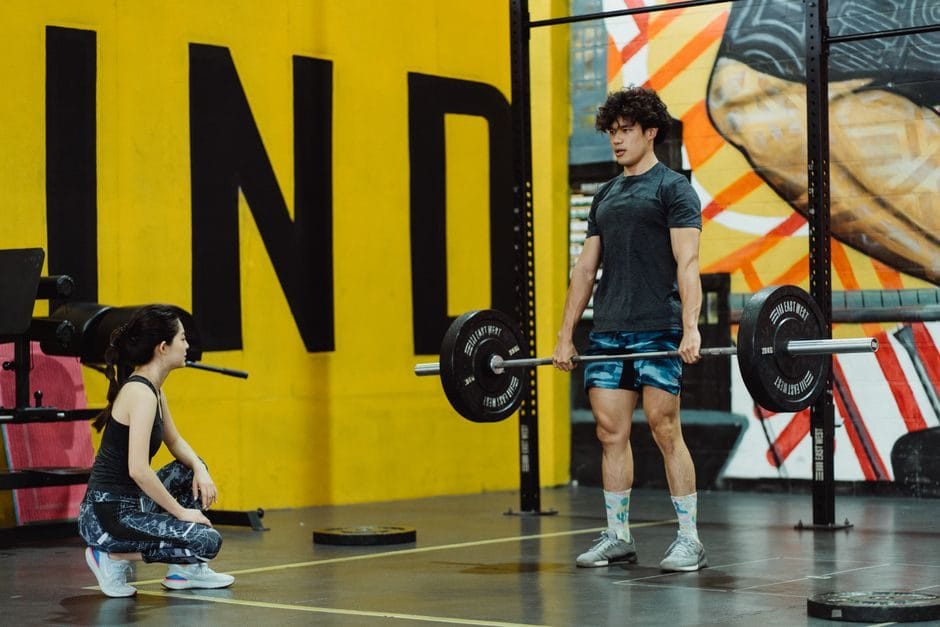
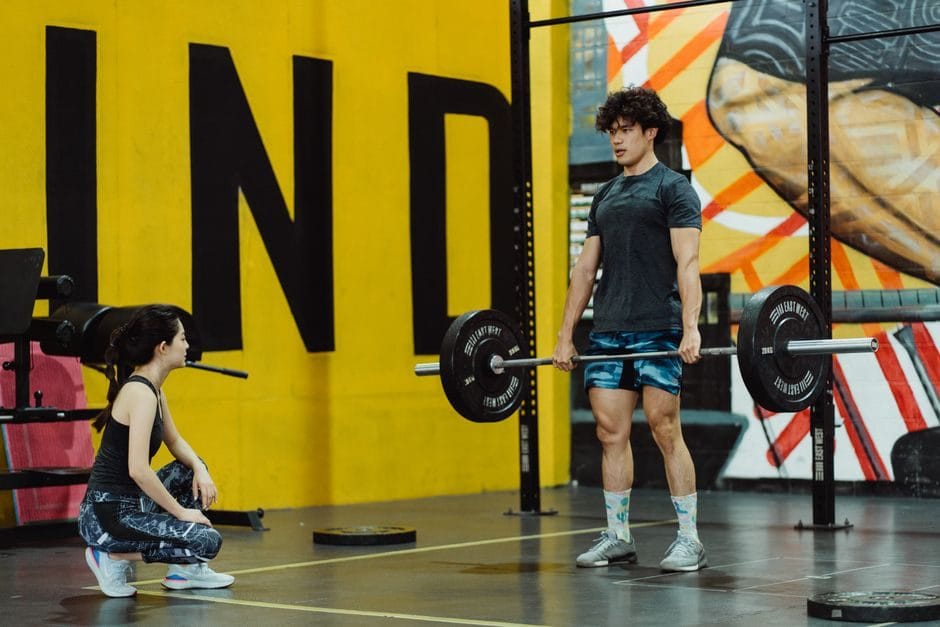
There is a real caveat, and it matters. Going heavy with bad form is how people get hurt, and a deadlift done wrong can put your lower back out for weeks. If you've never been coached through the big lifts, spend money on a few sessions with a good trainer before you start chasing big numbers. Heavy and reckless are not the same thing, and confusing them is the fastest way off the gym floor.
Where to start if you've only ever gone light
You don't need to walk in tomorrow and load a barbell with your bodyweight. Pick one compound movement, learn it properly, and add weight gradually over weeks. A reasonable starting goal: within three months, be lifting a weight on your main lift that your past self would have called impossible. That's not a fantasy, it's what happens when the load actually goes up.
Drop the idea that there's a women's way to train and a men's way. There's effective training and there's spinning your wheels. The 8-pound dumbbells will still be there if you want them as a finisher. They're just a terrible main course.